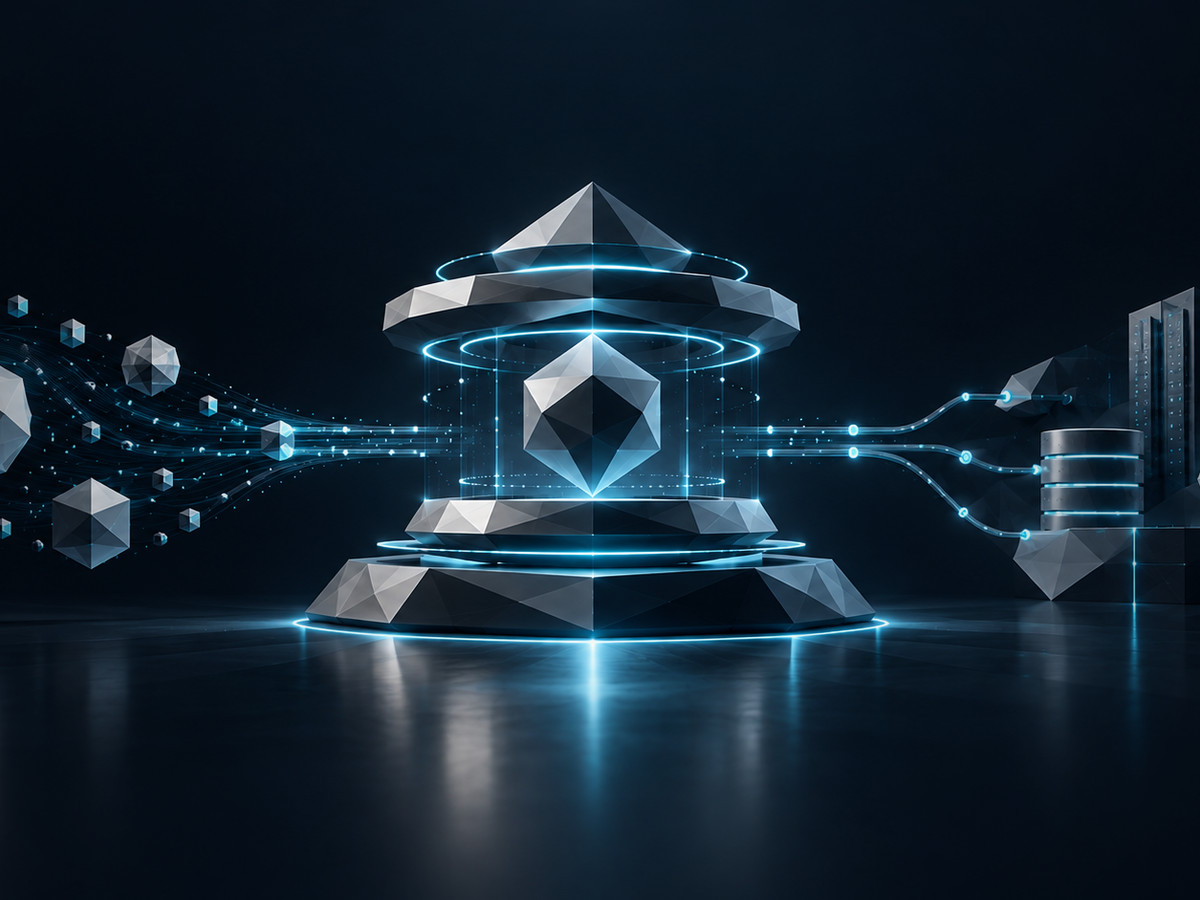
Kenflow designs and modernizes streaming, event-driven, and stateful platforms for systems where throughput, latency, resilience, and operational control matter.
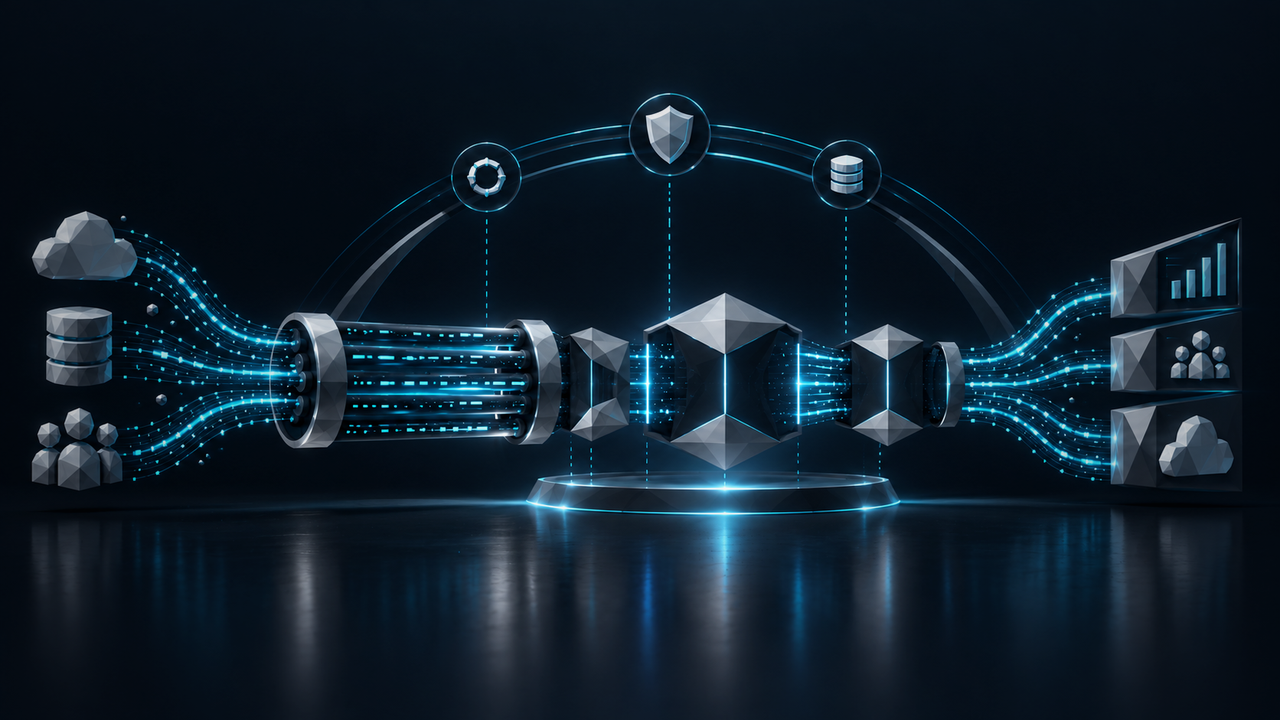
We work across Kafka-compatible platforms, Flink-style processing, Akka and actor systems, NATS, cloud-native runtimes, and custom control-plane architecture without forcing every workload into the same execution model.
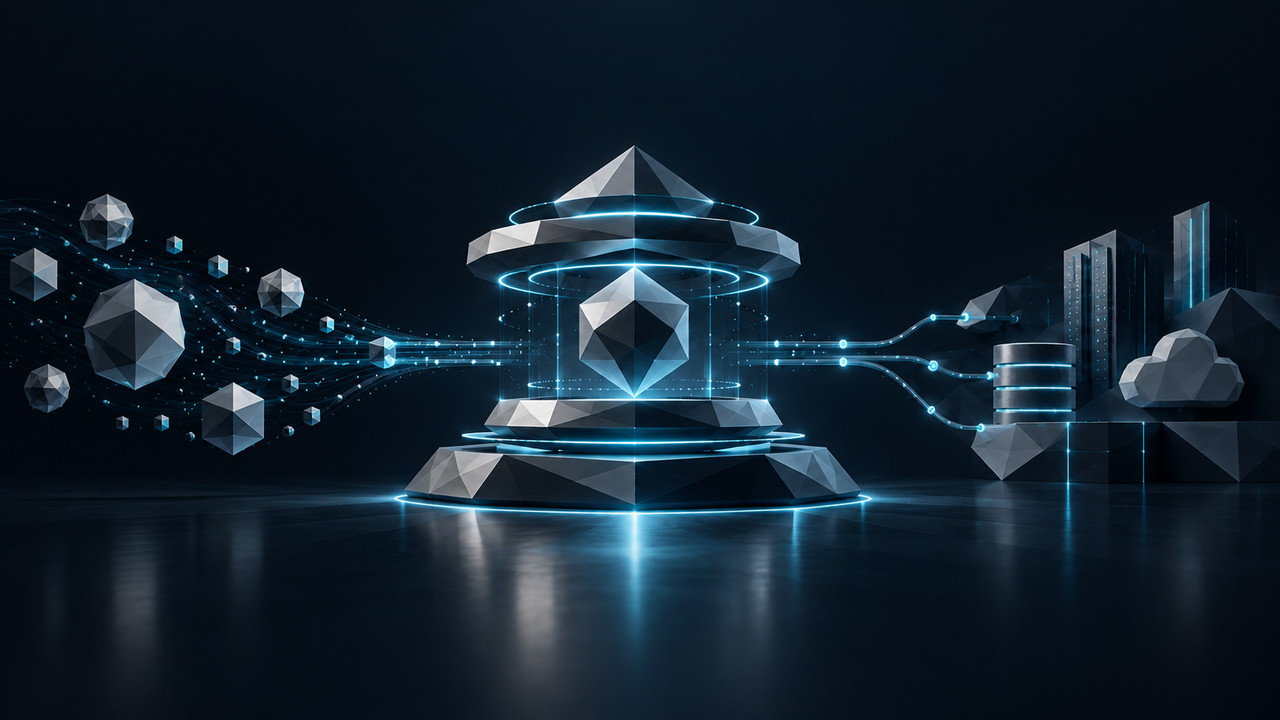
Moving events is the easy part.
At scale, the platform has to manage state, backpressure, replay, ordering, recovery, multi-region behavior, lifecycle control, observability, and the contracts between producers and consumers.
Kenflow treats streaming as a distributed-systems problem:
The event backbone moves data. The platform architecture determines how the system behaves under load and failure.
Kenflow separates lifecycle, policy, topology, deployment, and operational control from brokers and stream-processing runtimes so the platform can evolve without rebuilding its control layer.
The execution technology can change. The platform contracts, operating model, and control boundaries should remain stable.
Lifecycle • topology • policy • deployment • routing • observability
Kafka / Redpanda • Flink • Akka • NATS • custom stream processors
Windows • joins • enrichment • state • event-time • low-latency decisions
APIs • databases • ML platforms • services • systems of record • downstream analytics
The right platform should not force every workload into the same engine.
Latency, state, delivery guarantees, throughput, operational model, and integration boundaries should drive the runtime choice. The platform stays coherent even when the execution technology differs.
Choose the Runtime for the Workload. Keep the Platform Coherent.
This is the same principle behind the Kenflow Control Plane: execution can change without moving the control boundary.
Design control planes, event backbones, processing topology, multi-tenant boundaries, lifecycle automation, and operational contracts.
Low-latency processing with durable state, event-time semantics, recovery, replay, and deterministic handling of distributed failure.
Architect services and workflows around events without turning the event bus into an accidental coupling layer.
Diagnose throughput, latency, backpressure, hot partitions, state growth, recovery behavior, and infrastructure bottlenecks.
Deploy and operate real-time platforms across Kubernetes and cloud environments with strong observability and operational isolation.
Feed real-time context, policy events, features, decisions, and business state into AI, ML, risk, and autonomous-system workflows.
Kenflow's streaming work is grounded in production distributed-systems architecture, not loyalty to one broker or framework.
The recurring design patterns are state-aware processing, event-driven boundaries, failure isolation, runtime abstraction, observability, and automated lifecycle control.

The stack can change. The platform contracts and operating model should not have to.

Kenflow is usually brought in when a real-time platform has become strategically important, operationally difficult, or constrained by its current architecture.
The goal is a platform that can scale technically without becoming harder for the organization to change.
Kenflow's technical leadership is grounded in production systems built across regulated financial services, telecom, AI, gaming, and media.
Representative work includes greenfield platform architecture, runtime abstraction, performance engineering, multi-region recovery, and hands-on production delivery.
The standard is simple: build something teams can operate, evolve, and trust under real production load.
If a streaming or event-driven platform is becoming a bottleneck, a reliability risk, or a strategic dependency, Kenflow can help redesign the architecture and the path forward.
Start with a focused architecture discussion or bring Kenflow in to stay with the platform through implementation.
© 2026 Kenflow LLC. All rights reserved.